A little about Oaxaca…
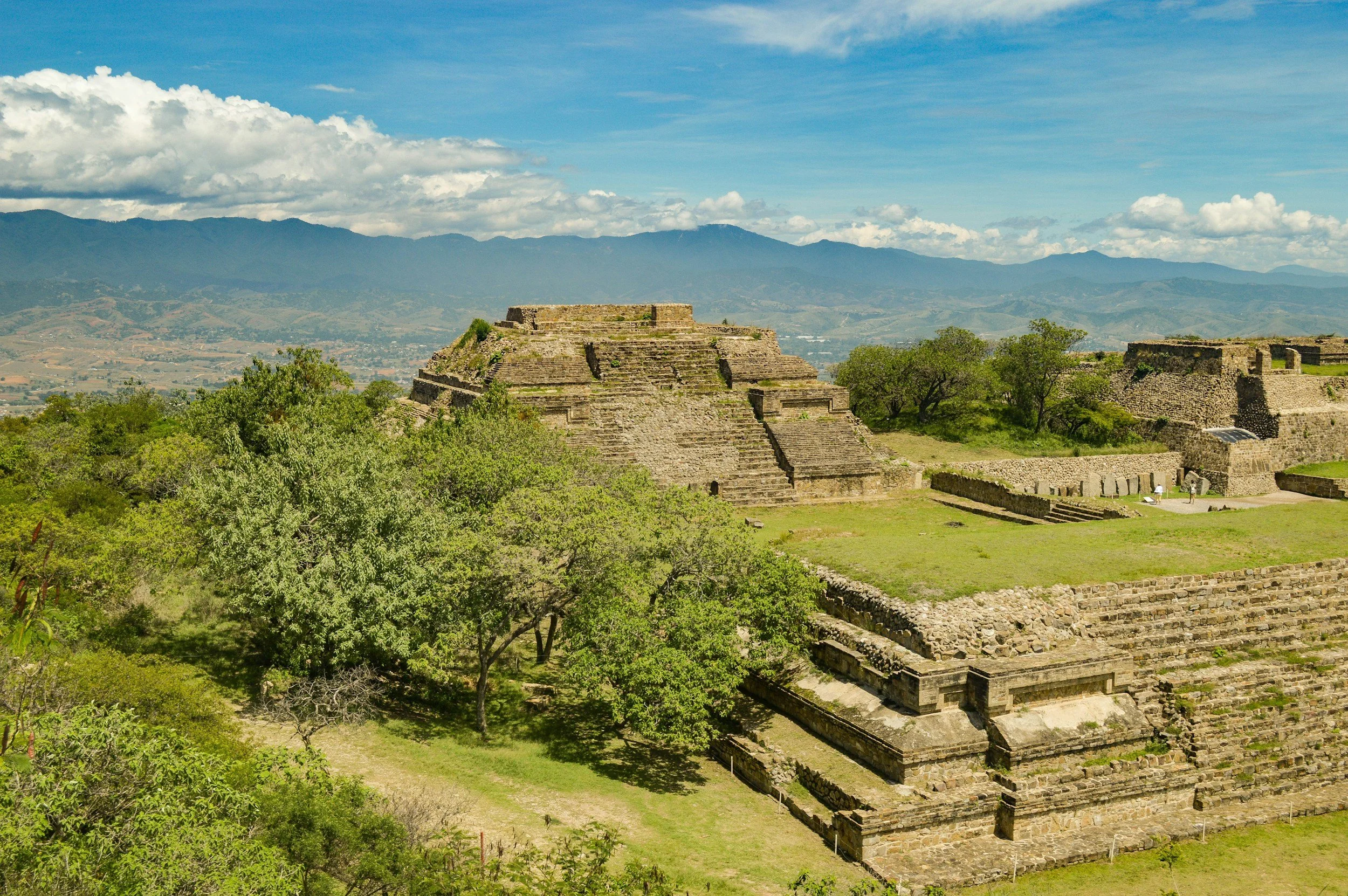
Oaxaca, Mexico, refers to both a vibrant city (Oaxaca de Juárez) and the surrounding state, famous for its rich indigenous cultures, stunning colonial architecture, incredible food scene (moles, tlayudas, mezcal), colorful markets, artisan crafts, and nearby ancient ruins like Monte Albán, offering a deep dive into Mexican tradition with colorful streets, vibrant Zócalo, and spiritual heritage.
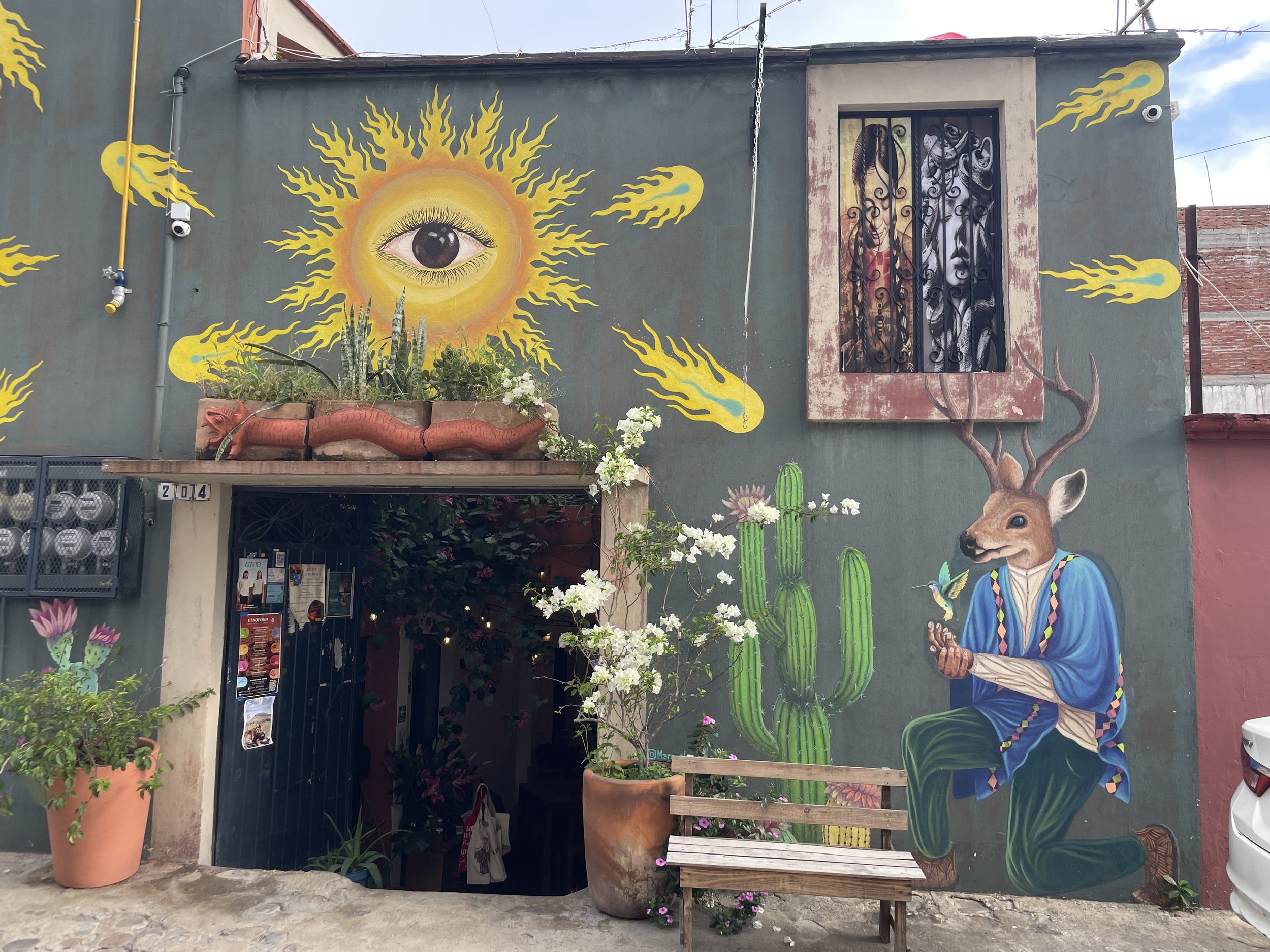
Oaxaca City is well known for its art. You will find murals everywhere! Galleries, print shops, artisan shops and so much more! Bring your camera!!
Weather:
In July daytime temperatures are in the mid 80’s, and nights are in the low 70’s. The weather is delightful!
This is also rainy season, which means it’s sunny most of the day and then it will rain for a quick bit in the later afternoon. Pack a small umbrella!
Water:
Please note, water from the tap is not drinkable. But rest assured, restaurants use filtered water and filtered ice. And most Air BnB’s or Hotels will have a filtered water filling station.
OAXACA CITY (highlights) :
Zócalo (Main Square): The heart of the city, with street performers, cafes, and the Cathedral.
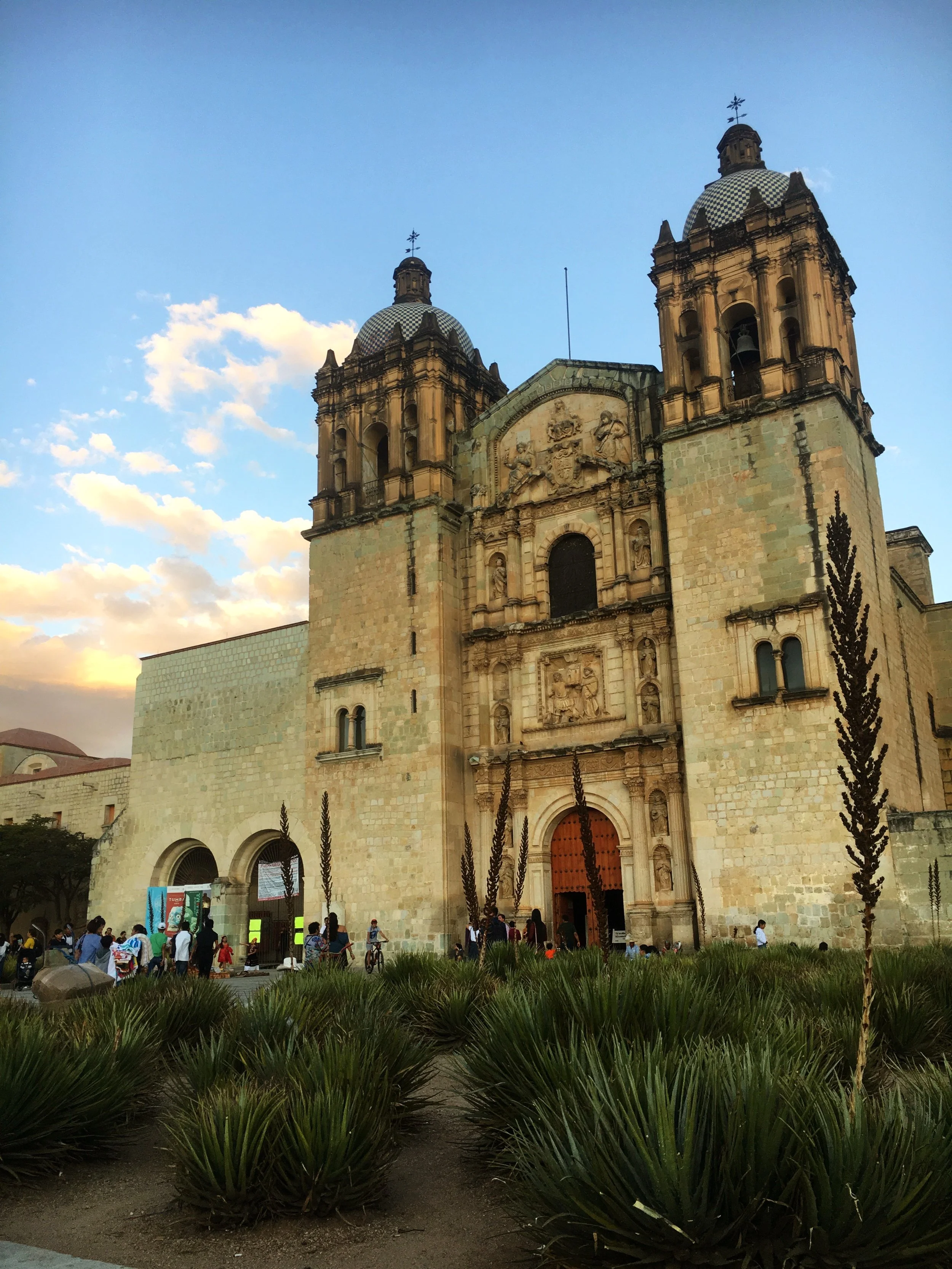
Templo de Santo Domingo de Guzmán: An impressive Baroque church and former monastery, now a cultural center.
Mercado 20 de Noviembre or Benito Juárez – Everything from food, (try the crickets), eating, crafts, and mezcal
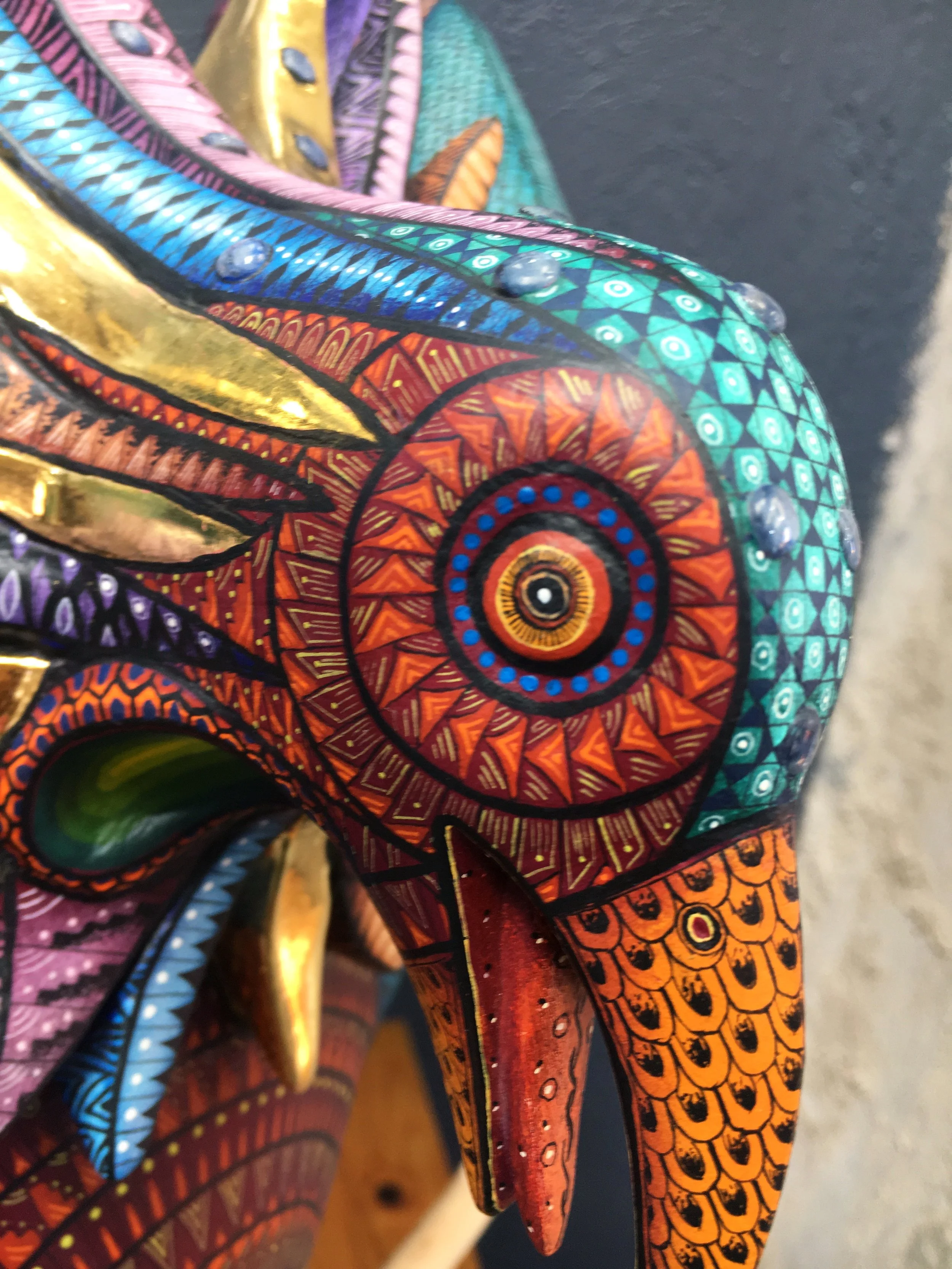
Mercado de Artisanias – This big market of stalls in the center of town has a variety of crafts, including embroidered blouses, carved animal sculptures, and pottery.
Tianguis (Open-Air Markets): These are temporary, day-long or weekly markets, famous in towns like Tlacolula (Sundays), Zaachila (Thursdays), and Ixtlán (Mondays). They are vital social events, especially for indigenous communities.
Jalatlaco & Xochimilco : Colorful, charming neighborhoods with great street art.
Monte Albán Ruins: Located just outside Oaxaca, Monte Albán is a pre-Colombian archaeological site of the Zapotec people. These are the oldest ruins in Mexico dating back to 500BC and ended during Spanish settlement of the area in AD 500-700. The ruins overlook the mountains and the city of Oaxaca, making it a beautiful site to observe. While it is an incline to get to the main entrance, once inside you have the option of climbing to the top of temples (incredible views) or staying in the flat area where you can see everything. Signs are in Spanish and English. Entry fee is nominal.
Take a cooking class – There are many options and well worth the price. Some with take you from the marketplace to your final meal.
SURROUNDING TOWNS & SITES:
Teotitlan del Valle (45 minutes from Oaxaca City) It is known for its textiles, especially rugs, which are woven on hand-operated looms, from wool obtained from local sheep and dyed mainly with local, natural dyes. They combine historical Zapotec designs with contemporary designs such as reproductions of famous artists’ work.
San Martín Tilcajete (45 minutes outside Oaxaca City) Many of the alebrije workshops in San Martin Tilcajete have their doors wide open for passerby and those curious about the craft. In fact, many of the bigger operations, including the workshops of Efrain and Silvia Fuentes and Jacobo and Maria Angeles, offer drop-in guided demonstrations of the process from carving and curing of the copal to peeking over the shoulders of the painters in the workshop.
Jacobo and Maria Angeles Workshop
Extraordinary workshop for finely carved and painted copal wood figures called Tonas and Nahuales. Some are in the Smithsonian in DC. They also have jewelry and ceramics. Address: Cjon. del Olvido 9, 71506, San Martin Tilcajete, Oax.
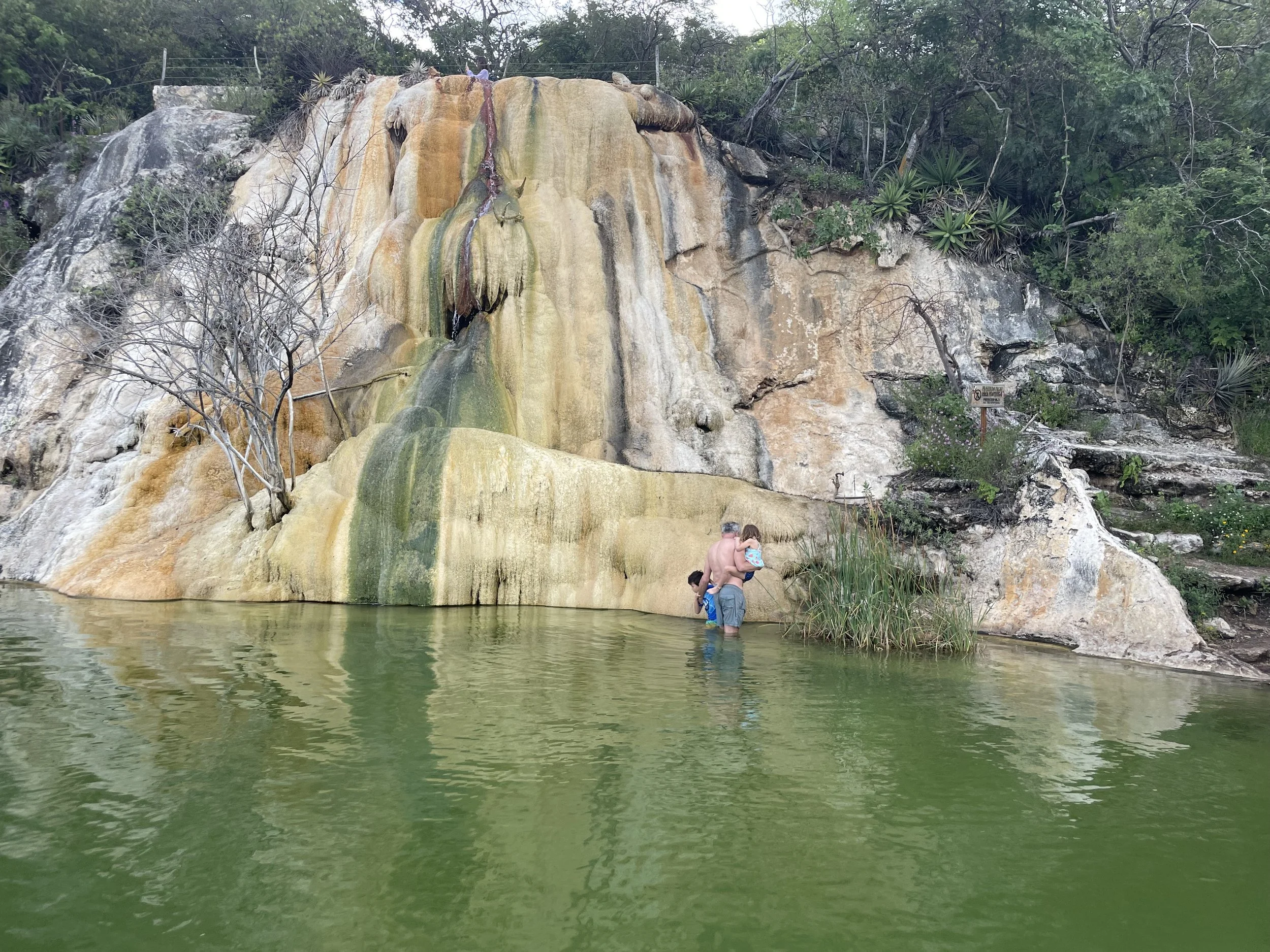
Hierve el Agua (90 minutes outside Oaxaca City)
Prepare to be impressed by the remarkable petrified waterfalls. Wear comfortable attire and footwear for the hike, and swimwear if you intend to swim.
Zona Arqueológica de Mitla (24 miles from Oaxaca)
Mitla is the second-most important archeological site in the state of Oaxaca, after Monte Albán, and the most important of the Zapotec culture. The site is in the upper end of the Tlacolula Valley, one of the three cold, high valleys that form the Central Valleys Region of the state. At an elevation of 4,855 ft (1,480 m), surrounded by the mountains of the Sierra Madre del Sur, the archeological site is within the modern municipality of San Pablo Villa de Mitla. While Monte Albán was the most important politically of the Zapotec centers, Mitla became the main religious one in a later period as the area became dominated by the Mixtec.
Tule Tree (26 miles from Oaxaca City)
The Tule is a gigantic Montezuma cypress native to Mexico, which is thought to be around 2,000 years old and to possess the world’s widest trunk. The Indigenous Zapotec people consider the tree sacred and it’s a symbol of Oaxaca, as well as a reminder of the resilience of rural Mexico. You can pay to enter the tree’s enclosure or marvel over the Tule Tree from behind the railings. There are lots of nearby vendors and restaurants.
For our family and friends from out of town, we want you to enjoy the city as locals. Below are some of our favorite spots to eat, drink, and explore.
Feel free to download our Google Map of favorite spots in Oaxaca so you can see what is around you as you walk about the city!
Activities
Outdoor
El Jardín Etnobotánico
Walking around Santo Domingo
Seeing the murals of the Jalatláco neighborhood
Museums
Centro Cultural San Pablo
Museo Textil de Oaxaca
Museo de las Culturas
Food and drinks
Dinner
Restaurant 1
Restaurant 2
Restaurant 3
Mezcalerías
Mezcal Lalocura (Organic Palenque)
Brewery 2
Brewery 3